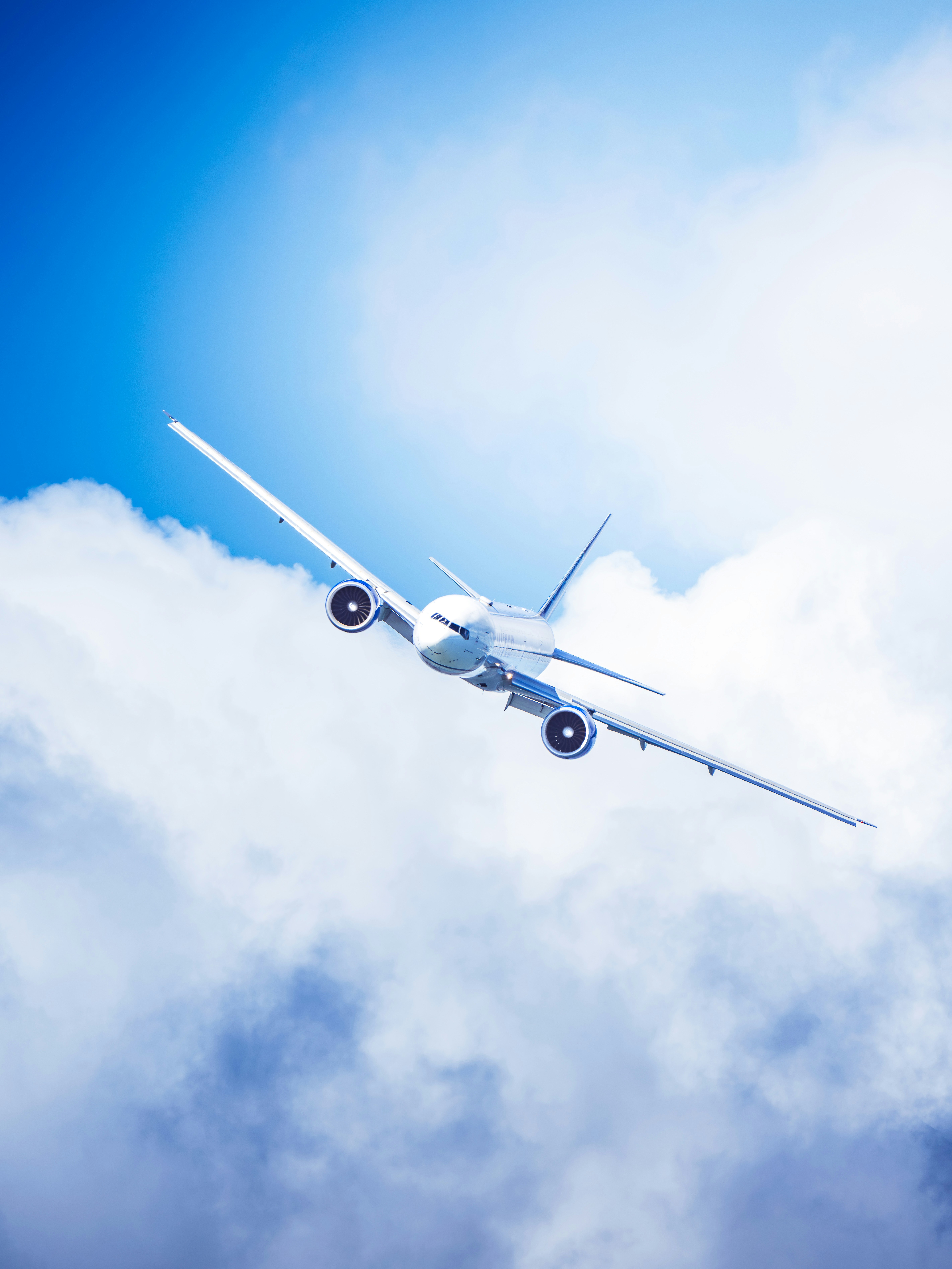
Prioritize mastering the mechanics of your aircraft. Understanding each control, from acceleration to maneuverability, can significantly enhance your performance in aerial encounters. Take time in practice mode to familiarize yourself with various aircraft, flight legends game adjusting settings to find the perfect balance that suits your style of play.
Analyze your opponents carefully. Pay attention to their flight patterns and tactics. Identifying common strategies used by skilled players allows you to counter them effectively. Use this knowledge to anticipate their moves and gain the upper hand in confrontations.
Develop situational awareness. Always keep an eye on the mini-map and the positions of allied and enemy units. This insight enables you to make informed decisions, whether that means engaging in combat or retreating to regroup. Communication with your team can also provide vital information, enhancing collective efforts in battles.
Experiment with loadouts. Tailoring your equipment and armaments to complement your aircraft can turn the tide in fierce skirmishes. Test different combinations to find the optimal setup that maximizes your strengths and minimizes your weaknesses.
Last but not least, review your performance. After each match, take a moment to evaluate what worked and what didn’t. Learning from your own mistakes is as crucial as studying others’ strategies, ensuring continuous improvement and adaptation to evolving challenges.
Mastering Aircraft Characteristics for Competitive Advantage
Analyze the specifications of each aircraft available to gain insights into their unique capabilities. Focus on key attributes such as speed, agility, altitude range, and fuel efficiency. For instance, comparing jets with higher thrust-to-weight ratios can reveal which aircraft can achieve faster speeds and higher ceilings, enabling tactical advantages during engagements.
Understanding Flight Dynamics
Familiarize yourself with the flight dynamics of different models. A deep understanding of how various aircraft handle in different weather conditions can provide a significant edge. For example, heavy bombers may excel under stable weather, while agile fighters can maneuver better in turbulent environments. Practice flying in diverse conditions to refine your skills.
Customizing Performance
Utilize the customization options to optimize performance for your personal play style. Adjusting engine settings and weapon loadouts based on the mission requirements can enhance effectiveness in various scenarios. Analyze the trade-offs between speed and firepower to achieve balance tailored to your combat objectives. Consistently experiment with different configurations to discover what aligns best with your strategies.
Optimizing Flight Paths to Maximize Performance
To enhance performance, focus on reducing unnecessary waypoints. Analyze the current route, identifying segments that can be streamlined. Each waypoint introduces potential delays and fuel consumption, so evaluate alternatives that allow for more direct navigation.
Utilize advanced software tools to simulate different flight plans. These applications analyze variables such as wind patterns and air traffic to recommend the most efficient routes. Input real-time data, such as weather conditions, to further refine navigation choices.
- Research optimal cruising altitudes, as different layers of the atmosphere provide varying wind conditions.
- Apply speed adjustments according to altitude changes to maintain energy efficiency.
- Monitor airspace restrictions and adjust flight paths accordingly to prevent diversions.
Establish a feedback loop with pilot input. Experienced pilots often have valuable insights about optimizations they’ve encountered during flights. Collecting this knowledge can significantly improve future routing decisions.
- Conduct regular performance assessments of different aircraft types.
- Identify trends and patterns in fuel consumption related to specific routes.
- Implement findings to train pilots on the most favorable maneuvers.
Incorporate regular updates from air traffic control to stay informed on temporary airspace changes, optimizing paths more dynamically during each flight. Adapting to real-time information leads to more agile responses and enhances overall journey efficiency.